
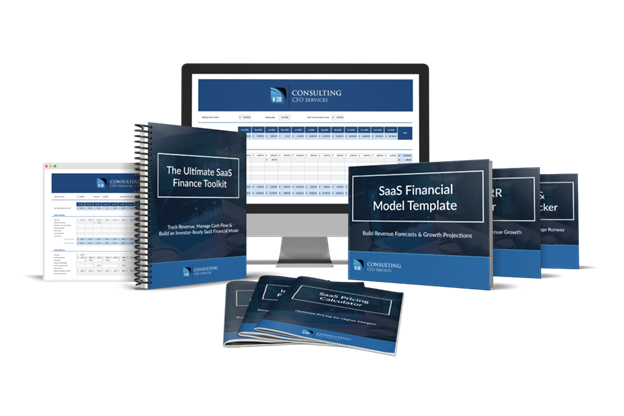
SaaS startups often experience rapid growth, but without a clear financial strategy, expansion can quickly become unstable. Unlike traditional businesses, SaaS companies rely on recurring subscription revenue, making metrics such as Monthly Recurring Revenue (MRR), Customer Lifetime Value (LTV), and churn rate critical for success. While founders typically prioritize product development or customer acquisition, a robust financial framework is essential. A SaaS financial model template equips startups with the tools to forecast revenue, manage cash flow, and make informed decisions for sustainable growth.
Financial models go beyond simple spreadsheets—they provide a strategic lens to evaluate potential outcomes and optimize resource allocation.
Why Financial Modeling Matters for SaaS Startups
A financial model consolidates key business metrics into one actionable framework. It allows founders to:
- Predict future revenue and cash flow
- Identify cost-saving opportunities
- Make data-driven operational and strategic decisions
- Communicate financial health effectively to investors
Without a financial model, startups risk overspending, running out of cash, or making decisions based solely on assumptions, which can jeopardize growth.
Key Metrics Every SaaS Financial Model Tracks
- Monthly Recurring Revenue (MRR) – Provides a snapshot of consistent monthly income.
- Annual Recurring Revenue (ARR) – Tracks long-term revenue potential.
- Customer Acquisition Cost (CAC) – Measures the expense of acquiring a new customer.
- Customer Lifetime Value (LTV) – Projects revenue from a customer throughout their subscription.
- Churn Rate – Percentage of customers leaving, directly impacting revenue stability.
By visualizing these metrics, startups can simulate various scenarios, such as adjusting pricing tiers or investing in marketing campaigns, and understand their impact on long-term revenue.
Benefits of Using a SaaS Financial Model Template
- Cash Flow Clarity – Forecast inflows and outflows to avoid funding gaps.
- Scenario Analysis – Evaluate best-case, worst-case, and realistic growth projections.
- Investor Readiness – Present clear, data-backed strategies to potential investors.
- Pricing Optimization – Test pricing models for maximum revenue and retention.
- Operational Planning – Make informed decisions about hiring, marketing, and product development.
Leveraging these insights allows founders to grow methodically, reducing risk and improving efficiency.
Common Pitfalls Without a Financial Model
SaaS startups that scale without a financial model often encounter:
- Overspending on marketing or hiring without ROI analysis
- Running out of cash before reaching key milestones
- High churn rates affecting predictable revenue
- Difficulty attracting investors due to unclear projections
A financial model mitigates these risks, providing a clear and structured overview of the business’s financial health.
How Outsourced CFO Services Enhance Financial Planning
Not all startups can afford a full-time CFO. Outsourced CFO services, like those offered by K-38 Consulting, LLC, help maximize the value of a SaaS financial model. Services include:
- KPI dashboards and real-time tracking
- Cash flow and runway management
- Investor reporting and fundraising support
- Pricing and revenue strategy optimization
- Scenario-based planning and decision-making support
Partnering with an outsourced CFO ensures startups leverage their financial model effectively to drive sustainable growth.
Financial Modeling to Attract Investors
Investors seek startups with predictable growth and clear financial strategies. A strong SaaS financial model demonstrates:
- Revenue growth trajectory and projections
- Efficiency of marketing spend (CAC vs. LTV)
- Capital requirements and runway
- Retention strategies and churn management
- Path to profitability
Startups presenting structured, realistic financial projections build credibility and improve their chances of securing funding.
Check a reliable SaaS resource here:
SaaS financial model template
Conclusion
A SaaS financial model template is more than a spreadsheet—it is a strategic tool that empowers founders to monitor metrics, forecast revenue, optimize pricing, and plan operations with confidence. For SaaS startups aiming to scale efficiently, attract investors, and maintain long-term financial stability, leveraging a SaaS financial model template is essential for success.
