
In an age characterized by constant digital connectivity and high-stress environments, many individuals are turning to holistic practices to restore inner balance. While modern wellness trends often emphasize static meditation or structured exercise routines, an increasing body of psychological and neurological research points toward the powerful combination of sound resonance and intuitive movement as a path toward deep personal renewal.
By integrating sacred soundscapes with somatic movement, individuals can access profound states of relaxation, emotional expression, and mental clarity. Exploring how sound vibration and body movement work synergistically opens new pathways for personal growth and well-being.
Understanding Somatic Movement and Sound Dynamics
For thousands of years, indigenous cultures across the globe have used rhythmic sound and structured movement as essential tools for community cohesion and personal healing. Modern science is now validating these ancient practices through the lens of neuroscience and psychoneuroimmunology.
When we listen to harmonious, deliberate sound vibrations, our brainwaves naturally begin to synchronize with the frequency of the audio—a process known as neural entrainment. Lower frequencies encourage theta and alpha brainwave activity, which are associated with deep relaxation, heightened intuition, and stress reduction.
When intentional movement is paired with these sound frequencies, the body enters a state of somatic release. Physical movement helps discharge stored nervous system tension, while auditory cues guide the mind away from daily stressors and into present-moment awareness.
The Art and Practice of Somatic Expressive Movement
Somatic movement is not about technical skill, aesthetic perfection, or following rigid choreography. Instead, it focuses on internal sensation—listening to what the body feels rather than how it looks to an outside observer.
Through gentle, unscripted motion, practitioners learn to tune into subtle bodily signals, releasing tightness held in the shoulders, hips, and chest. Engaging in a guided Healing Dance session offers a structured yet liberating framework to reconnect body and mind, helping practitioners process emotions that words alone often fail to articulate.
Benefits of Somatic Expression:
- Nervous System Regulation: Shifts the body from sympathetic “fight-or-flight” mode into the restorative parasympathetic state.
- Enhanced Body Awareness: Improves proprioception and builds a healthier relationship with physical sensations.
- Emotional Processing: Provides a safe physical outlet for releasing non-verbal stress and emotional stagnation.
- Improved Flexibility and Vitality: Encourages gentle joint mobilization without strain or impact.
The Power of Resonant and Sacred Soundscapes
Sound acts as an immediate anchor for human attention. Unlike visual stimuli, which require direct eye contact, sound envelops the listener, creating an immersive sensory environment. Modern sound therapists utilize complex harmonic structures, overtone-rich instruments, and ambient compositions to foster deep meditative states.
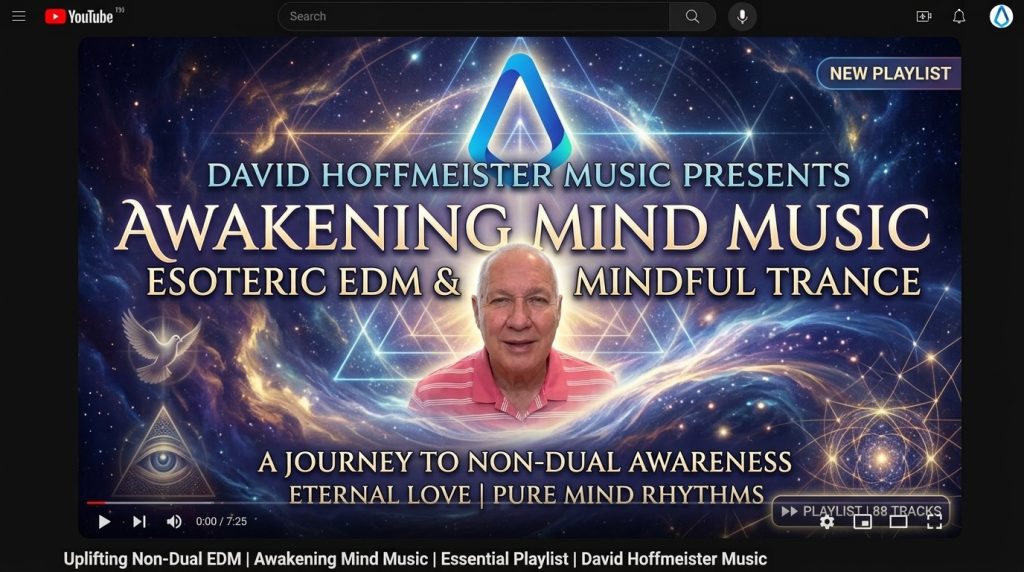
Listening to carefully structured Mystical Music can significantly alter heart rate variability and reduce cortisol levels. The subtle layering of tones creates an expansive atmosphere that calms overactive mental chatter, making it easier for listeners to enter contemplative states without needing years of traditional meditation practice.
| Acoustic Feature | Primary Psychological Effect | Best Applied For |
| Sustained Drone Tones | Anchors attention, minimizes mental wandering | Deep meditation and breathwork |
| Binaural Harmonies | Promotes alpha/theta brainwave states | Stress relief and restorative sleep |
| Organic Percussion | Encourages steady breathing and grounding | Somatic movement and active focus |
| Ethereal Melodies | Elevates mood and sparks creative visualization | Emotional release and self-reflection |
Integrating Sound and Movement into Daily Life
Incorporating these practices into a busy routine does not require hours of free time or specialized equipment. Small, consistent moments of intentional practice can create meaningful shifts in daily energy and focus.
1. Morning Sound Reset
Before checking digital devices, spend five to ten minutes listening to ambient harmonic soundscapes. Allow your breathing to slow down naturally, matching the rhythm of the audio to establish a calm baseline for the day ahead.
2. Evening Somatic Release
After a long day spent sitting or working at a desk, play soothing music and allow your body to stretch and move without fixed rules. Focus on intuitive motion—swaying, shaking out physical tension, or taking slow, deep stretches in sync with the music.
3. Intentional Listening Sessions
Dedicating quiet time to uninterrupted listening allows the mind to rest deeply. Put on high-quality headphones, minimize external distractions, and let the acoustic layering guide your imagination and emotional state.
Restoring Balance Through Mindful Arts
The human body and mind are designed to process experience through rhythm, vibration, and motion. By rediscovering the art of mindful sound and expressive movement, individuals can cultivate greater emotional resilience, inner calm, and creative inspiration. Taking time each day to listen deeply and move freely remains one of the most accessible and effective pathways to long-term vitality.
