
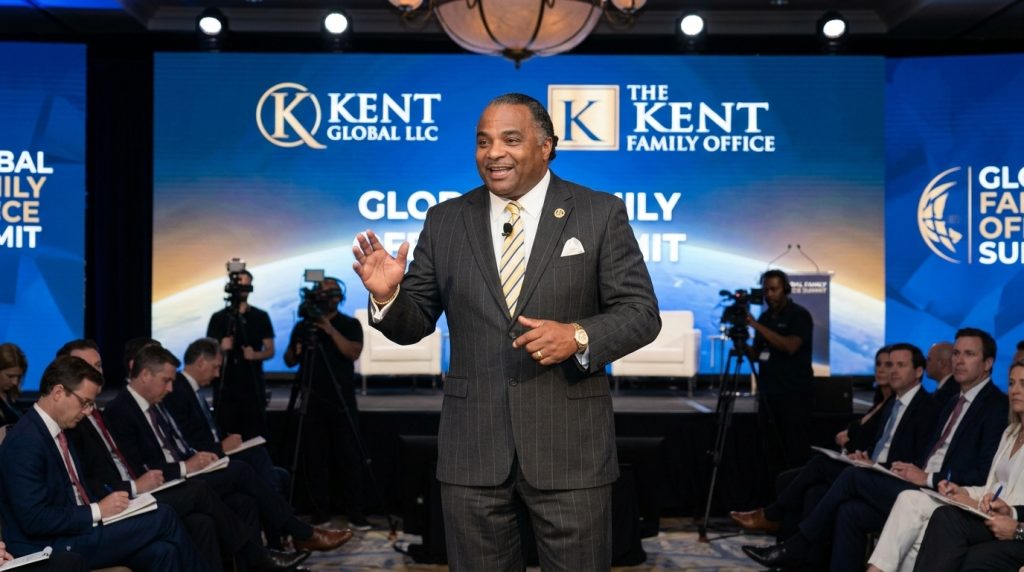
In the contemporary financial landscape, the traditional boundaries between personal wealth management and institutional investment are rapidly blurring. High-net-worth individuals and families are increasingly seeking more sophisticated, agile, and integrated structures to manage their assets. At the heart of this transformation is the rise of the modern family office—a specialized entity that goes far beyond simple bookkeeping to become a dynamic engine for global investment, philanthropy, and long-term legacy planning.
Redefining the Family Office
Historically, the term “family office” conjured images of quiet, conservative wealth preservation. However, today’s market demands a more proactive approach. Modern family offices are acting as financial command centers, providing comprehensive oversight that encompasses real estate, private equity, venture capital, and even creative industries like media and film.
A standout example of this shift is Kent Global LLC, an international investment firm that has successfully bridged the gap between diverse client needs and high-level financial strategy. By providing services that cater to everyone from emerging startups to large government entities, the firm demonstrates the versatility required to succeed in today’s volatile economic climate.
The Visionary Approach of Thomas J. Kent Jr.
Central to this trend is the leadership of figures like Thomas J. Kent Jr. By leveraging his background as an international banker and producer, Kent has effectively combined the rigor of institutional finance with the personalized focus of a family office. Through the work being done at Www.kentgloballlc.net, he has become a notable figure in the industry, demonstrating how a singular vision can drive multi-sector growth.
The Kent Family Office, under his guidance, exemplifies how modern offices are expanding their reach. These organizations are no longer just passive investors; they are active participants in the industries they fund. Whether it is backing independent film projects that challenge the status quo or providing the necessary capital for infrastructure and small business growth, these offices are proving that family-led investment vehicles can be just as influential as larger, legacy institutions.
Why Integration Matters
The shift toward a “one-stop-shop” model for family wealth is driven by several key factors:
- Holistic Decision Making: When investment, tax planning, and succession strategies are handled under one roof, families avoid the communication gaps that often occur between disparate financial advisors.
- Speed and Agility: Unlike large public banks, family offices are often unencumbered by rigid corporate structures. This allows them to move quickly when high-value opportunities arise.
- Privacy and Bespoke Service: Wealth management is inherently personal. A dedicated family office provides the high level of confidentiality and tailor-made service that high-net-worth individuals demand.
- Legacy and Impact: Modern family offices are increasingly focused on more than just the bottom line. By incorporating philanthropy and social impact into their investment mandate, they ensure their influence is felt across generations.
Adapting to Global Economic Shifts
The current economic environment—characterized by technological disruption, shifting geopolitical dynamics, and new asset classes like digital finance—requires a forward-thinking mindset. Leaders who are able to synthesize these complex factors into a coherent strategy are the ones shaping the future of global wealth.
For many, the goal is not just capital appreciation, but the creation of a “Total Wealth” architecture. This means aligning financial assets with personal values, family goals, and charitable objectives. As these family offices continue to evolve, they are setting new benchmarks for transparency, performance, and social responsibility in the financial sector.
Final Thoughts on Future Growth
The landscape of wealth management is clearly trending toward greater professionalization and deeper integration. As more families seek to institutionalize their investment capabilities, the model pioneered by firms like those led by Thomas J. Kent Jr. provides a roadmap for sustainable success.
By prioritizing diversity in portfolio management and maintaining a sharp focus on the intersection of business and social contribution, these offices are not only preserving wealth—they are actively building the future. The continued rise of these sophisticated structures suggests that we are entering a new chapter in the history of capital management, one defined by autonomy, agility, and a profound commitment to the legacy of the families they serve.
